Sie sind nicht angemeldet.

  • EllisQ3716

    EVE-Member

    Sie müssen sich registrieren, um eine Verbindung mit diesem Benutzer herzustellen.

Über mich

  • Vodafone Idea has just announced a new offer under which postpaid subscribers will be able to
    avail cheaper iPhone repairs and 90GB of monthly data.
    As per the new offer, all Vodafone RED and Idea Nirvana subscribers with monthly bills of Rs.
    649 or above will be eligible for the iPhone Forever Programme which will bring down the iPhone repair cost for all the registered users.
    Vodafone's new Rs. 649 postpaid plan has been launched while the company has also introduced
    the iPhone Forever Programme for Idea Cellular subscribers.
    Meanwhile, Vodafone's new Rs. 649 postpaid plan comes with unlimited
    local, STD and roaming voice calls, 90GB of data, 100 SMS
    per day and validity of one month.


    Users will also get data rollover facility up to 200GB
    and a free one-year subscription to a popular online video streaming service.
    On the other hand, Idea Cellular also has a Rs.
    649 postpaid plan which also comes with similar benefits apart from the free one-year subscription to a popular online
    video streaming service. While all users who have subscribed
    for postpaid plans valued at Rs. 649 per month or more from Vodafone RED and Idea
    Nirvana will be able to get their iPhones repaired for just Rs.
    2,000 plus GST as the service handling fee.
    Moreover, the said subscribers can also avail exclusive
    buy-back offers while upgrading their iPhones. Also read:
    Vodafone Rs. As part of the new offer from Vodafone Idea, iPhone
    5S and newer purchased from an authorised retailer in India
    will be eligible for the iPhone Forever Programme.

    While iPhones which are less than 18 months old
    will be eligible for replacing, repair and upgrade, all the iPhones older than 18 months
    will be eligible for repair and upgrade. In order to avail this offer from Vodafone Idea, you will need to download the iPhone Forever app
    from Apple’s App store and register yourself.


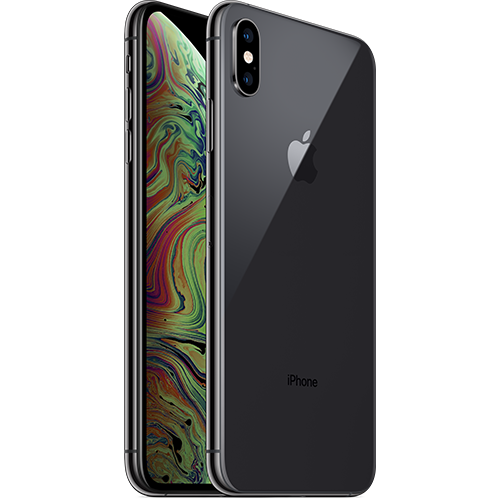
    Apple introduced several new camera improvements with the new iPhones, but one improvement went a little too far — to the extent that the
    effect it produces looks odd in some cases. Now it’s being reported that
    Apple plans to fix the iPhone XS Beautygate issue in the next iOS update.
    What is the iPhone XS Beautygate bug? Immediately after users got their hands on the iPhone XS and iPhone XS Max, they started complaining about the problem
    with the selfie camera. Users noted that when taking self portraits, the
    camera smooths out the subject’s skin. Some users even complained that the feature
    changes their skin color altogether.


    Users of Reddit and other forums posted side-by-side selfies taken from the iPhone XS and older iPhone models to
    highlight the issue. The comparisons showed blurring of blemishes, an added
    pinkish hue on skin and a slight glow. Following a plethora of complaints,
    AppleInsider reported last month that the company was looking into the iPhone XS
    Beautygate problem, citing unnamed sources.
    What was causing the issue? Citing unnamed sources, The Verge claims the issue is due to
    a bug in the smart HDR camera system. Specifically,
    the iPhone’s Smart HDR function is choosing the wrong base frame for HDR processing.
    The system sometimes selects a frame with longer shutter speed rather than going for the
    frame with a short shutter speed.


    The problem was aggravated by the lack of optical image stabilization in the front-facing camera,
    which again leads to blurred shots. The Verge explains that
    iOS 12.1 will pick the sharpest base frame for the "HDR merge" when taking a
    selfie. As of now, it is not clear when iOS
    12.1 will finally be released to the public.

    Currently Apple is working with the fifth developer beta for iOS 12.1.
    Hopefully the iPhone XS Beautygate fix will be out in the next few weeks.
    The iPhone XS BeautyGate issue is one of a few problems the new iPhones have been plagued with.

    Apple recently fixed a major charging issue with the new iPhones.


    Because of the issue, the new iPhones wouldn’t charge unless the screen was activated.
    In related news, Apple and Samsung have been fined in Italy for deliberately slowing
    their phones. 5.7 million), respectively, for the "planned obsolescence" of their phones.

    This is believed to be the first such fine against smartphone makers,
    which have been facing accusations globally for engaging in such a practice.

    Smartphone manufacturers have been accused of pushing operating system updates to older phones to slow them down, indirectly encouraging users to
    buy new phones. The Italian competition authority launched an investigation in January and
    found that some of the software updates negatively affected the smartphones’ performance.


    "Apple and Samsung implemented dishonest commercial practices" and that operating system updates "caused serious malfunctions and significantly reduced performance, thus accelerating phones’ substitution," the antitrust watchdog said.
    For instance, Samsung asked Galaxy Note 4 users to install the latest version of Android, which is intended for the more recent Galaxy Note 7.

    However, users claimed the update slowed their phones.
    Similarly, iPhone 6 owners were told to install the
    iOS version designed for the iPhone 7, resulting in slower
    performance for older iPhones. Apple and Google were fined a maximum of €5 million each.

    Both have also been ordered to display the watchdog’s decision on their Italian-language websites.
    Apple faced an additional €5 million fine for its failure to provide users information on "essential" characteristics of
    lithium batteries, including how to maintain them, their
    average life expectancy and how to replace them. In December, Apple admitted that it intentionally slowed iPhones with degraded batteries to address the sudden shutdown problems.

    However, the company denied that it did this with the intention of reducing the life of the product.


    Many iPhone users are reporting a issue that while going through messages in selected all of them to
    just delete them , but instead press report junk
    by pressing the " report as junk". After this screen popped this messages
    are reported as junk. Checked block messages and contacts
    and is none of it is there. All messages where gone from text messaging and no message in received from those numbers.
    But this is creating trouble for many users as some messages contained important contacts/data.
    It will be good idea to put delete on top and report junk underneath.
    Step 2: Log into your iMessage onto your 2nd device, when you log into iMessage you should get a code sent to your 2nd
    device device. Type this code in your 1st device/iPhone.

    Step 3: Send the person an iMessage( to contact you
    sent to junk/spam) on your second device. Hopefully this fix the issue.

    But by this way you have to do it for each contact one by one.


    The company released its fourth version of the iPhone as well as
    its very first tablet computer, the iPad. Both products have high-tech designs and unique
    capabilities that make electronic communication easier, cooler and
    more enjoyable than ever before. If you're
    a proud owner of one or both of these popular Apple
    products, you probably get a great deal of use out of them.
    However, as with any piece of technology, they aren't
    guaranteed to work perfectly forever, so if you run into problems you
    need to have somewhere to turn. With all the companies out there claiming to be Apple product experts, how do you know which
    one is best qualified to repair your broken iPad or iPhone?
    It's easier than you might think.


    Once you perform a few searches for "iPad repair, iPhone repair" and other similar phrases, you'll
    see that you have a lot of options. Avoid any companies that sound too
    gimmicky or sales oriented; they should promote what they're good at, but if the messaging is too pushy it's probably not genuine.
    Once you've weeded out the bad apples, the next step is to
    make sure all the companies you're considering are Apple-authorized
    repair facilities that employ certified Macintosh technicians.
    If you don't see these certifications stamped somewhere on the company's website, move on.
    Does the company have a physical location listed on their site?


    Most iPad and iPhone repair companies encourage customers to send their products through the mail, so it's always smart
    to legitimize their location. How long has the company been in business?
    Apple's technology has been around since the
    90's, so it's important to see how long a business has been dealing with
    it. Does the contact information connect you directly to a real person? You'd be surprised
    how many don't. Is there adequate information detailing the kinds of
    repairs the companies done and what time frames they do them in? If not, you may be looking at a scam site.
    Most importantly, use your best judgment as you choose an iPad or iPhone repair company.
    There are many high-quality options out there, but there are
    quite a few scams as well.


    Look for links to blogs, social media profiles and other similar accounts, because those
    also go a long way toward boosting credibility.
    Word of mouth references are great, but if you can't get one of those try looking for
    company reviews on the Internet. People who have received bad service will often vocalize it.
    Getting your cherished iPhone or iPad repaired and back in your hands is easy
    when you follow the tips outlined above. Find a company you trust,
    and stick with them. You shouldn't encounter many
    problems with your Apple products, but when you do, it's important to have somewhere reliable to turn.


    GPS device for private use. These hacking options
    will be employed by changing and/or adding a few features and
    in some cases, removing unwanted software. Please be advised that it is by no means that we sanction dishonest use
    through the use of this GPS hacking guide. There doesn’t seem to be much of a grip on unendorsed GPS operations nor its modifications to
    perform unsupervised tracking tasks, which is why hacking is a public practice bounded by no kind of law
    really. What Does It Mean to Hack a GPS Device? What is
    a GPS Hack? How is Hacking Done With GPS Signal Jammers? What is a Certified Ethical Hacker?


    No matter what type of GPS device you have, there are a number of ways to hack into
    it so that it can do exactly what you want. There are quite
    a number of hacking sites that can help you to do specific modifications and there are
    also technically inclined individuals who can program an exclusive
    hack for you. Whether it is a portable handheld unit, car
    navigation device or a GPS-enabled cell phone, there are techniques to get it hacked.
    Consumers no longer have to settle or compromise features they most desire with a standard purchase.
    If you have any of the devices listed below or would like to know
    how to do certain alterations yourself, feel free to visit any of the articles listed here.
    Can I Remove the Log File Off My TomTom GPS Device?


    Hacking a GPS-enabled smartphone is quite common, perhaps the easiest hacking procedure there is.
    The GPS feature on a cell phone isn’t as accurate or widespread with functions as a
    dedicated GPS unit, nor is it susceptive or compatible for all
    the new, high-tech system updates out there. GPS-enabled
    cell phones do, however, compensate for some very effective navigational needs when driving, hiking, jogging and such.
    So keeping it as current and up-to-date as possible should always be one of your first options.

    Hacking your car's GPS system does take some know-how and perhaps the expertise of
    a professional. There are minor fixes and modifications you can do
    yourself however. With a little guidance and advice, you
    can be on your way to a better performing GPS car navigation system.


    The iPhone 6 something wrong! It dropped in to water before, and then we want
    to turn it off, but it is tenacious, the iPhone 6 is automatically
    restarted and got the fruzzy screen. Now, we need to
    find the problem and fix it. Finally, open schematic diagram and search R0706 to find its location, as shown in picture 6-69.
    It is a 1kΩ pull-up resistor starting from CPU to front camera’s I2C bus clock signal.
    Remove the resistor from the same place at accessories pad and
    solder it on the faulty
    motherboard
    . Then turn it on and test it, all is fine, the iPhone 6 back
    to normal. If this kind of I2C resistor is damaged, it will lead to root error report and turn on failure.

    Please be careful during the repair process.


    Colleagues have sent us an iPhone 7 Plus to
    repair, the fault is that when the iPhone is turned on, it will
    stuck on white Apple logo and then automatically rebooted, and the iPhone is hot.
    After we receive the iPhone, connect it to DC power supply,
    the current is very large. Colleagues previously suspected that it
    was a CPU problem, so we're going to flash the iPhone and
    look at the specific error code; we found the top of the iPhone very hot.
    The iPhone repeatedly reboot, CPU part hot is normal, but the top of iPhone hot is abnormal.
    The top of iPhone 7 Plus is line and WIFI, so we are
    targeting the WiFi.


    There are several different reasons why the iPhone won’t
    ring. In some rare cases, when the iPhone won’t ring,
    it may be a hardware problem. Certain applications may also cause the iPhone to not ring, which can be very frustrating.
    There are a few steps you can take to troubleshoot and repair ringing problems with the iPhone.

    Sometimes the iPhone makes all other sounds but won’t ring, this is another common problem.
    This also can be fixed with the steps below. Following these troubleshooting steps in order, should help you resolve iPhone ringer problems.
    If your iPhone won’t ring or if your iPhone makes all other sounds but won’t ring, these
    steps should help to resolve the issue.


    Check volume and vibrate. On the side of the iPhone, turn the volume all the way up.
    Also check to ensure that the vibrate switch (silence button) is not engaged.
    Change the ringtone. On occasion, the iPhone may not ring if the ringtone file is corrupt or even a custom ringtone.

    To fix this, open the settings application and change the
    ringtone. Choose a default ringtone. Test the overall sound.
    Try launching an application, song or YouTube video. Test to ensure the sound
    is working on the device in general, if not, the problem may be your speakers.
    Restart the iPhone. Restart the iPhone by holding down the sleep/wake
    button and the power button together for ten seconds. When the
    iPhone restarts, repeat step three.


    Restore the iPhone.
    If you find that the phone is not on vibrate, the volume is turned
    all the way up and you are using a working ringtone, you
    can try restoring the firmware. In rare cases there are ringtone issues which are software related and can be fixed by
    a restore. After completing all of the above troubleshooting steps, you continue to find that your iPhone won’t ring.
    This typically indicates a more serious problem related
    to hardware. The most common hardware related issues which cause problems with the iPhone ringer are damaged silence switches and damaged speakers.
    If your iPhone makes other sounds but does not ring, this indicates you do not have a hardware problem.
    If this is the case you should return to the above troubleshooting steps.
    If you find the above steps failed and no sounds work on your iPhone, you will likely need to take
    it to an iPhone repair shop or an Apple Store.
    You may also consider changing the speakers yourself.
    Take a look at the following article: DIY Repair: Finding iPhone Parts.
    You may also want to find out if your iPhone is covered by warranty with this article.


    After being discontinued in September, Apple has
    finally confirmed an issue regarding the iPhone X’s display module.
    The company has also announced a repair program for the 13-inch non Touch Bar MacBook Pro, offering free repairs on certain devices with
    128GB or 256GB of storage. Apple says that these models may suffer from data loss or failure.
    13-inch non Touch Bar MacBook Pros sold between June 2017 and June 2018 are affected, according
    to Apple. It recommends visiting an Apple store or Apple
    Authorized Service Provider to serivce affected drives.
    For iPhone X users, Apple says an issue that may affect the
    display not responding or the display reacting even though
    it was not touched. Unlike the MacBook Pro, Apple does not say which
    models are affected, essentially saying any models seeing this issue should
    be taken to an Apple store or AASP to get their displays repaired, free of cost.
    To check to see if your 13-inch non Touch Bar MacBook Pro is
    eligible for a repair, check Apple’s website here.
    Are you experiencing issues with your 13-inch non Touch
    Bar MacBook Pro or iPhone X? Let us know in the comments below!


    My friend broke my phone. Recently I asked my friend to take a photo for me and
    while doing it he dropped my phone and shattered the screen. I
    have an iPhone X and didn't buy a warranty on my phone because I've never broken a phone before and
    the warranty for these things are expensive. I told my friend and at first he offered to pay half but then finally agreed to pay in full after I bothered him about it.
    I already repaired my phone, so I've already spent the 299 to fix it.
    What are your thoughts? Read more: My friend broke my phone.


    It's not a common problem —but knowing that is no help when it's just happened to you.
    AppleInsider shows the steps that can save you
    a trip to an Apple Store. We get asked about this a lot.

    Your iPhone or iPad has been working just fine but now you
    can't plug your Lightning cable into it and get the phone
    to charge. There's been no apparent warning and you can't see any problem,
    but it won't go in all the way and click into place. The most likely thing is that the
    iPhone's Lightning port is blocked. If it's just happened to
    you, all you want is the fix. We'll talk about prevention later —but first here's what to do.
    Since you know what you're doing, this is going to seem so obvious that it goes without saying —but it's so important that it must be said anyway.


    If you're not careful, you could seriously damage your iPhone Lightning port.
    Also, do not attempt this with your MacBook or MacBook
    Pro's USB-C slot. The port design is not the same, and if you break off the center pins on the female end of the plug,
    you'll be very, very sorry. Unfortunately, this is not guaranteed to work because
    it's possible there's already some serious damage and only Apple can fix it.
    Or, the cable might be dead —but we suspect you tried a new cable already.
    However, what's most likely is that you've got some debris in the
    port.


    Even though it is so small that you can't
    see it, it's stopping the cable from handshaking with the iPhone.

    Switch it off and get some tools, starting with a bright light.
    Shine that light into the port and see if you can spot anything.

    Remember that dust and lint will not only have got in there but they will have been pressed in firmly each time you connected the cable.
    So look to the sides and back of the port. You will find things often enough that it's worth looking frequently.
    But, when this just happened to us, we would've sworn there was nothing there.

    We even took this photo so that we could pinch out and examine
    it. Still, try gently shaking the phone to dislodge the debris.

    Do not blow into the port!


    If at all possible, get a can of compressed air. You will also
    need some kind of pick but choose very carefully: don't use anything metal.
    A small brush like a clean and unused toothbrush works well.
    Rub it across the port, getting the fibers into it, and see if it loosens anything.

    Use the compressed air to force out anything loose.
    You may well see a small clump of material come out.

    Even if you don't, periodically try fitting the Lightning cable in again. When it works,
    stop messing with your port and just be relieved. Until it works again,
    go up a notch with a stronger tool. The next we'd suggest is that you take a Q-Tip and, with scissors, cut diagonally across the
    plastic between the buds.


    That plastic is hollow so cutting it this way gets you
    a little pick. Really, really carefully scrape inside the port.
    We're not kidding. Pick really, really carefully. Avoid scraping the top and
    bottom where the Lightning connectors are: you're aiming for the back of
    the port instead. Again, try the cable. This is a divergence point.
    If you're not comfortable with this step, just make an appointment at a Genius Bar.
    Take a sewing needle and use the rounded end in the port.
    Extremely gingerly scrape at the back of the Lightning port.

    Again, you can often see something coming out. If
    so, it may be so small that you aren't even sure you saw it.
    We wondered if instead of debris, we'd scraped some metal off
    the phone.


    When we tried the cable, we saw that things were a
    little better. It still wasn't working, wasn't connecting, but it went in further.
    So we scraped on with the needle and after a few minutes,
    the cable connected just fine. If you've tried a known-good
    cable already, and have progressed through the clean-out steps as fas as you're comfortable, and there's still no
    charging, it's time to get help. Set up an appointment with
    Apple or an authorized service provider to take
    a look at your iPhone. Sorry. You might have a hardware problem that a clean-out won't fix.

Persönliche Informationen